(Information and recipes from The IDEAL WAY TO COOK, by Addie Daabous)Interested in placing an order for the new & improved 2nd edition? Contact info here
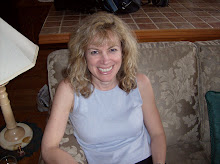
I'm a board member of Ideal-Way.ca (a charity for special needs individuals (Down syndrome, autism, etc.)). Aside from tending two blogs, I'm writing a novel, and adjusting to the Empty Nest Syndrome. We welcome your comments!
Today is "Spread the Word to End the Word" campaign. The goal is to "make people stop and think about their hurtful and disparaging use of the word 'retard.'" Check out the Special Olympics site for ideas on "How to Take Action." Or, go here to "pledge and support the elimination of the derogatory use of the r-word from everyday speech and promote the acceptance and inclusion of people with intellectual disabilities."
In her blog post today, Terri Mauro said, "In the spirit of ending the "R Word" in all its forms, I'm going to be spending some time today removing "mental retardation" from my materials for parents, replacing it with "intellectual disabilities." The term has become too tainted by the slang slurs derived from it that I'm not comfortable using it, and since the Arc and Special Olympics seem to have adopted "intellectual disabilities" to describe the diagnosis, I'll follow their lead."
In Barriers, Bridges and Books, the author eloquently describes "the Spread the Word to End the Word campaign (as)a vision of respect and they are using the tools of education, media, and more to respond every time and cut away what does not belong in that vision."
Tomorrow, The Spread the Word to End the Word campaign will be over. But that doesn't mean we can't brainstorm together and come up with our own how-to-take-action ideas. What can each of us do to spread the word?
Yesterday I grabbed our local paper and headed out to the backyard. Splashed across the front page was a report of the discovery of a giant hogweed in our area. I held my breath as I read of the potential harm it can inflict on those who come in contact with it.
Apparently, "severe burns can usually result in blistering and painful dermatitis. Blisters can develop into purplish or blackened scars, sometimes up to 48 hours after exposure. In some cases...eye contact can lead to temporary or possibly permanent blindness." Gulp...
We are cautioned to wear protective gear when gardening. It's an invasive weed, taking no prisoners, and will take over your garden if you're not vigilant. Uproot it at the first sign of its presence.
I dropped the paper and spent the next couple of hours in an extensive reconnaissance tour of our garden. Who knows, this giant hogweed could be lurking in the shadows, supposedly minding its own business. But, a la Day of the Triffids, it could be plotting a hostile takeover of our lovely garden. Visions of mutant hogweeds systematically cutting a swath through our community danced in my head.
Weeds are stealthy, sometimes taking on the look of the surrounding flora. I know better, though. They may masquerade as another member of the flower family, but they are poisonous plants, slowly choking the life out of a thriving garden. Just as a gardener will create diversity in a garden, in order to encourage a flourishing plant community, so she will uproot noxious uninvited guests.
Maybe I just need to understand where the weeds are coming from. After all, it's possible they don't mean any harm. In fact, it's possible my sense of humour needs a drastic retuning - a complete overhaul, perhaps? - and if I can see the funny side of their presence in my garden, we'll all get along much better. The weeds will take pity on its flowering neighbours, and therefore decide to play fair.
No, on second thought, even if they're unaware of the damage they're inflicting on the community, we know better. It's best to uproot them, and in their place plant something that will only have a positive effect on the environment.
Like the damage to a child's self-esteem when he hears the r-word repeatedly used against him. I read in a blog that "research featured in Harvard Mental Health Letter and published in The American Journal of Psychiatry looked at the damage that hostile words, and or yelling, can have on a child. They found "words are weapons that can cause lasting wounds..."
So it behooves us to protect our children from the negative, hostile elements in their lives, and plant them in a positive, loving, and supportive environment.
"Words have great power to heal or hurt."The Special Olympics reminds us "our choice of language frames how we think about others. It is time to respect and value people with intellectual disabilities. It is time to accept and welcome them as our friends and neighbours. Change the conversation...Stop using the r-word."
Instead, plant a different word in the community: Respect.
Neil MacDonald (see Neil's poem, Voices of War, in 'A Place for Poets')
"TIMBERRRR!"
My husband's voice rang out in the forest, and everyone scattered to the four winds. The giant tree creaked and groaned in protest. The tree was dead, but perversely, I wanted to step forward and take the weight of it in my arms. Catch it before it could hit the ground and disappear forever. It was a fine old tree, and I didn't want to say goodbye to it.
I closed my eyes and turned away, tensed for a resounding crash to split the air around us. Instead, silence filled the space where we waited.
A crowd of us gathered around the tree. The top half wasn't lying on the ground. It had opted, instead, to take its place alongside its original home. It was as if someone had snapped the tree in half, and like me, couldn't bear to part them.
Like an old married couple, the two halves of the tree stand almost knitted together. One rooted in its surroundings; the other one a symbol of perseverance and steadfastness.
Against all odds - including storms that have swept away larger and mightier trees - this tree simply would not acknowledge defeat.
Now that the long-awaited Beijing 2008 Olympic Games are underway, I'm reminded of what it takes to stand tall in the face of storms. To know who you are, stand up for your beliefs, and persevere even when the odds are decidedly against you.
In "Spirit, Courage & Resolve, A Special Olympics Athlete's Road To Gold", Tom Lambke wrote about his son's journey from his birth in 1981 - the moment he "knew that our beautiful boy had Down syndrome and that our lives were about to change forever" - to the podium at the 2003 International Special Olympics in Dublin, Ireland.
Throughout Bryan's life, friends and family have seen only ability in his disability. Standing together, they look only to the future, accept Bryan for who he is, and "work with him lovingly."
I visit my twin trees, from time to time. Just like Bryan Lambke, his peers, and all the people who stand solidly beside them, they are symbols of standing tall in the face of life's challenges, and persevering even when storms threaten to take them down.
When the greater community stands shoulder-to-shoulder, with one unified voice, a seismic shift in the collective consciousness will occur, changing forever how people view those who've been labeled 'different'.